
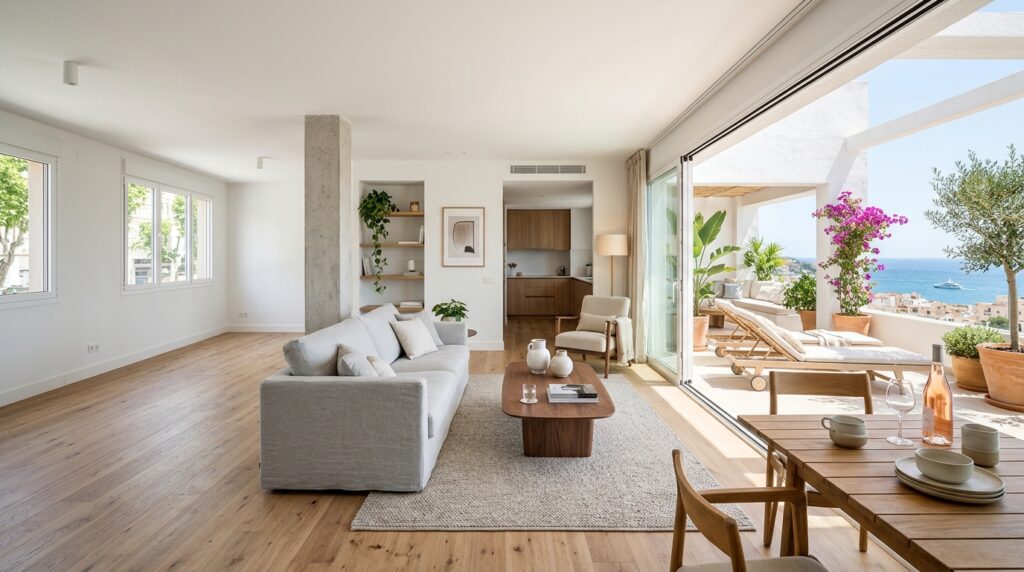
Looking to rent a home or invest in rental property, but unfamiliar with the different rental options? From unfurnished and furnished rentals to vacation rentals and rent-to-own arrangements, each option serves different needs. The right choice depends on your budget, how long you plan to stay, and your real estate goals.
Some options are designed for long-term living, while others offer more flexibility. For landlords, rental models can provide different ways to make the most of a property and earn rental income. Lease terms, security deposits, taxes and legal obligations vary by rental type, so it is important to understand the details before signing.
Key takeaways
Unfurnished rentals are suitable for people who want to settle in long term and furnish a home themselves.
Furnished rentals make moving easier because essential furniture and equipment are already provided. They are popular with students, young professionals and people relocating for work.
Vacation rentals offer furnished accommodation for short stays, primarily to vacationers and travelers, subject to local rules.
Rent-to-own arrangements let occupants live in a property before deciding whether to buy it, under the contract terms.
Unfurnished rentals: a long-term housing option
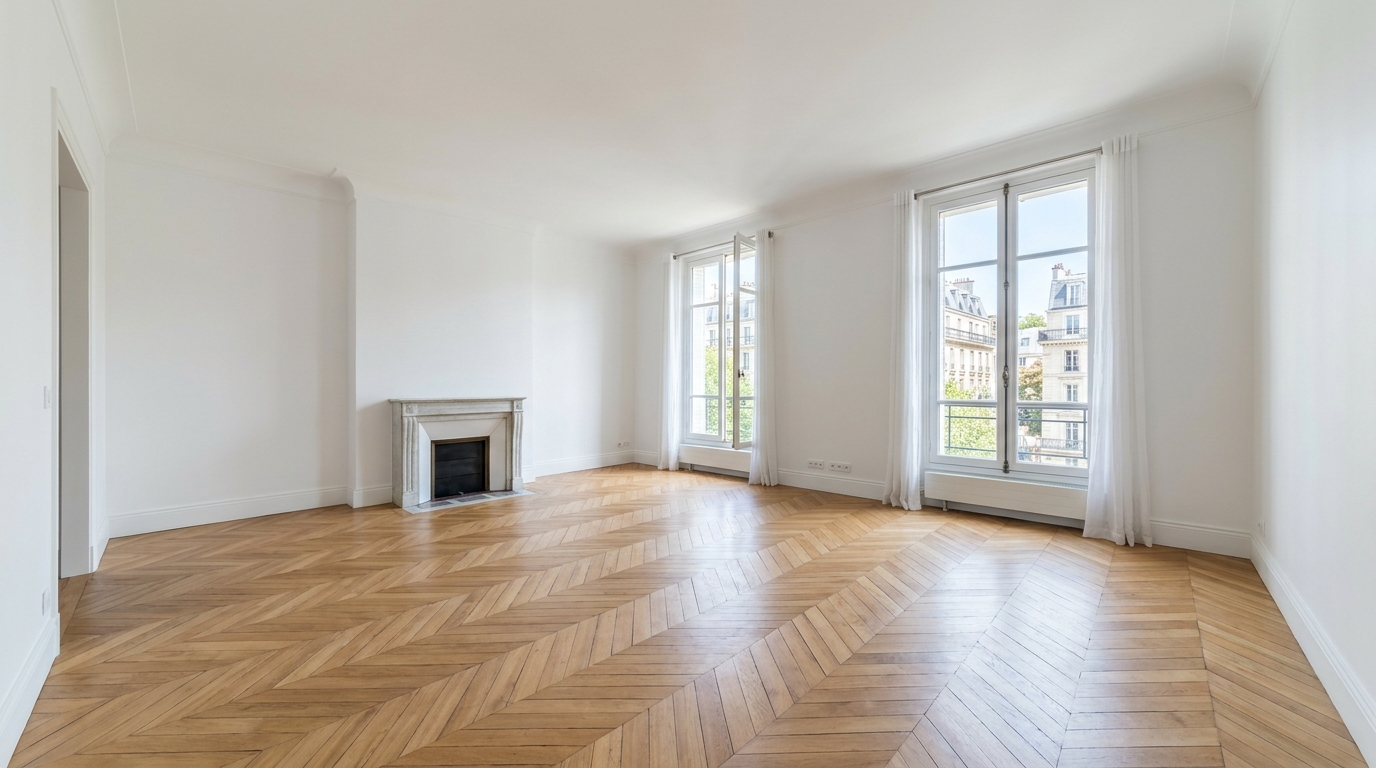
An unfurnished rental is leased without the furniture required for a furnished property. Tenants can furnish and decorate the space to suit their preferences. It is well suited to people planning to live in a house or apartment for several years, including households that already own furniture.
What are the typical terms of an unfurnished lease?
In France, an unfurnished lease for a primary residence is generally at least three years when the landlord is an individual. Subject to legal exceptions, it may be six years when the landlord is a legal entity. The lease may renew automatically if neither party gives notice as required by law.
Typical rules: lease term of at least three years for an individual landlord, subject to exceptions; security deposit of no more than one month’s rent excluding charges; tenant notice generally three months, sometimes reduced to one; landlord notice six months before expiry; charges commonly paid through provisions with annual reconciliation; rental income generally treated as French real estate income.
Advantages and disadvantages of unfurnished rentals
The main advantage is stability: tenants can arrange their home without using furniture selected by the landlord. Owners generally limit furniture purchase, replacement and maintenance costs and may benefit from longer occupancy. Rent is often lower than for furnished housing, while tenants must budget to furnish the property.
Furnished rentals: flexibility and convenience
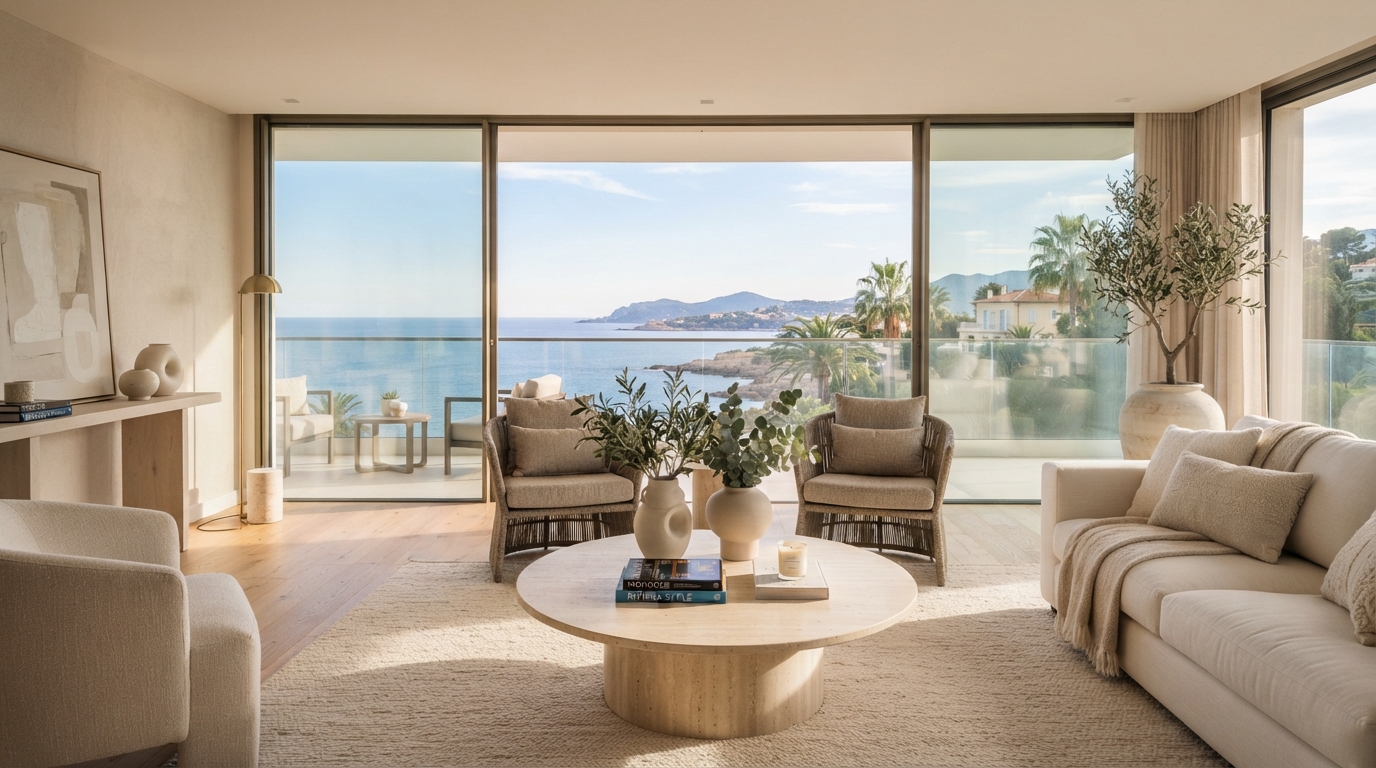
A furnished rental is equipped with the essential furniture and appliances needed for everyday living. It is particularly suitable for students, young professionals, employees relocating for work and people who want to avoid the expense and hassle of moving furniture.
What must a furnished rental include?
In France, a primary-residence furnished rental must meet a statutory minimum list of furniture and equipment, including: bedding with a comforter or blanket; window coverings in bedrooms; cooktop and oven or microwave; refrigerator and freezer compartment; dishes and kitchen utensils; table and seating; storage shelves; lighting; and cleaning equipment suitable for the home. A detailed inventory should be completed at move-in and move-out.
How long is a furnished lease?
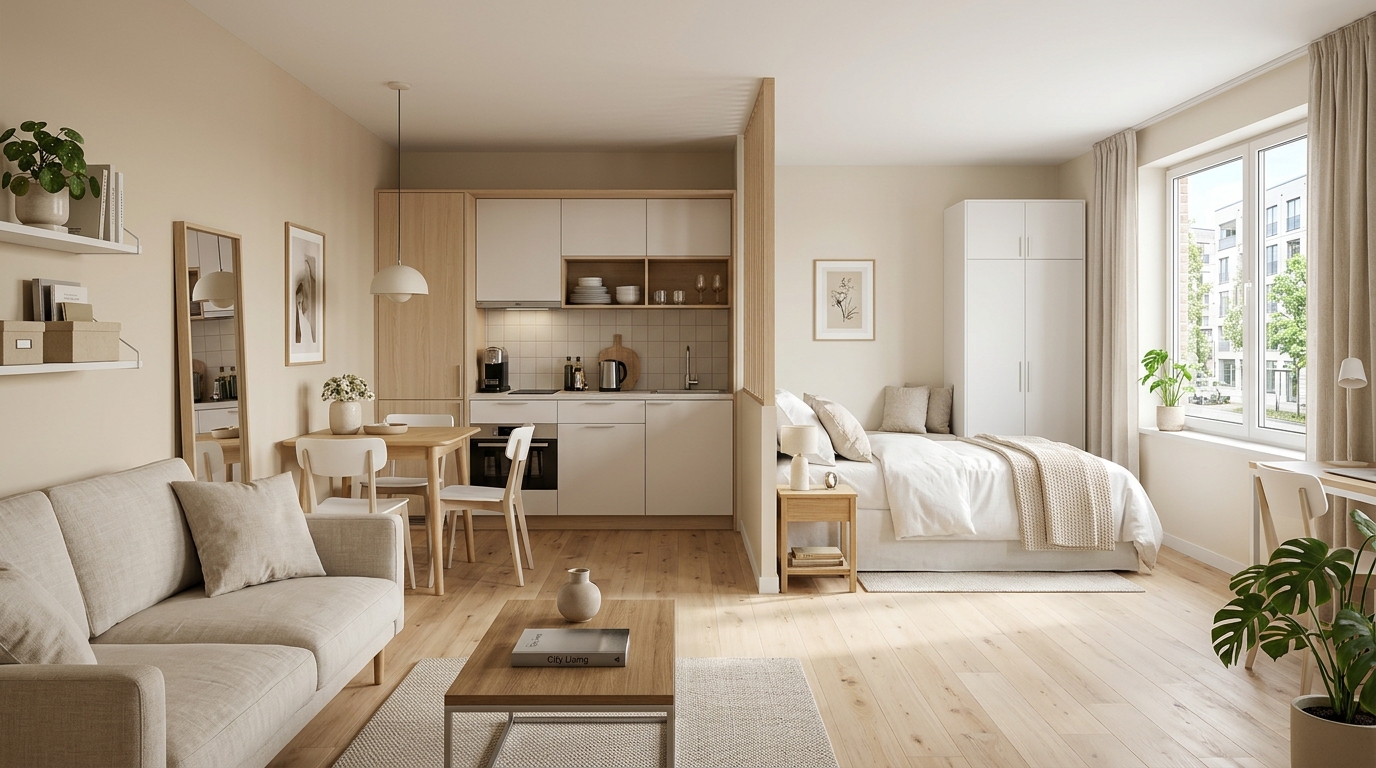
A standard furnished lease for a primary residence is generally one year and may renew automatically. A student lease is often nine months and does not renew automatically. The security deposit may be up to two months’ rent excluding charges, and tenant notice is generally one month.
Why choose a furnished rental?
Tenants get a home ready to live in, reducing setup costs and making relocation easier. Landlords can often charge more than for an unfurnished property. In France, furnished rental income may be taxed under the BIC regime. Owners should also budget for initial furnishing, replacement and maintenance.
Vacation rentals: short-term stays
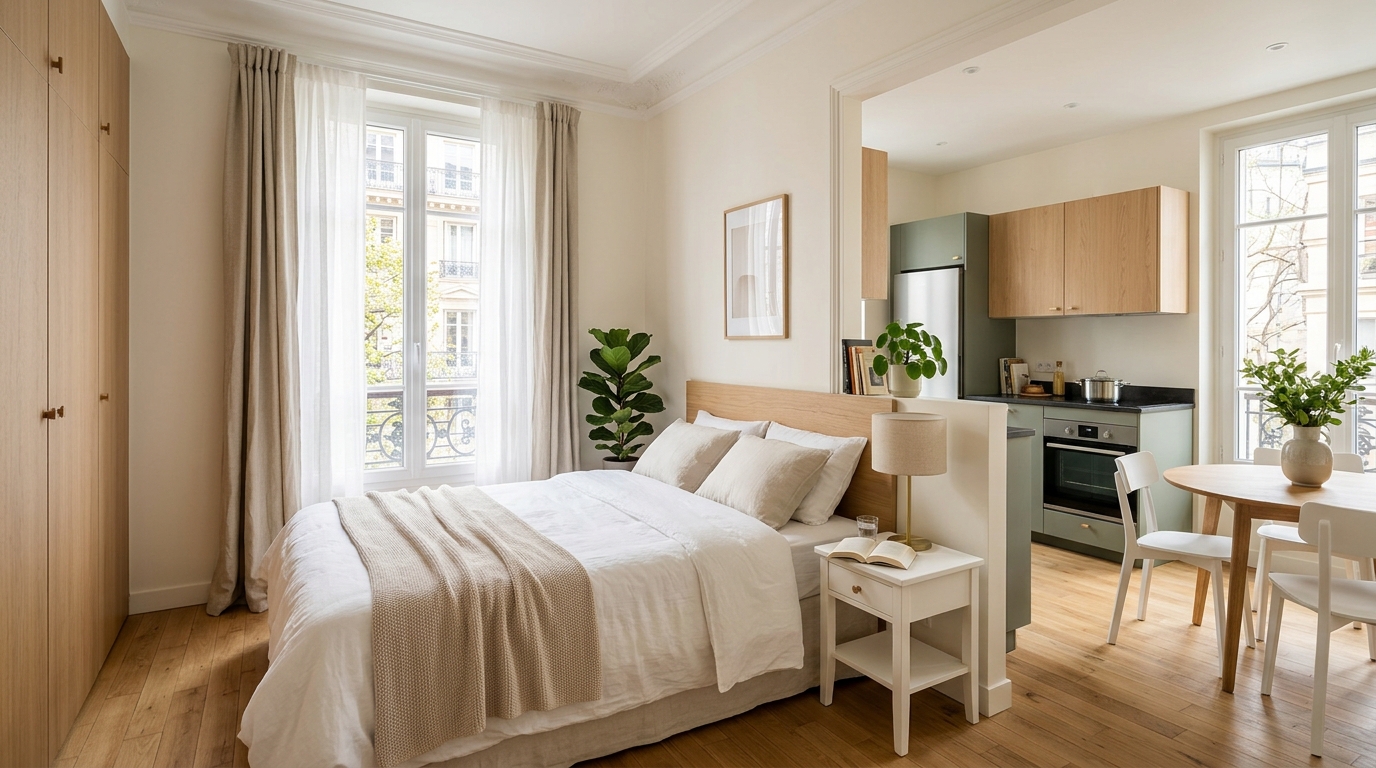
Vacation rentals provide furnished accommodation to temporary guests for a short period. Guests do not establish their primary residence there. They are common in holiday apartments, beach homes, tourist studios and city accommodations, serving vacationers and temporary travelers.
How do vacation rentals work?
Bookings may cover a few nights, a week or several weeks. The property must be ready for immediate occupancy; extras may include linens, cleaning or internet. Typical features: short stays; furnished property; pricing by night or week; tourists and temporary travelers; written agreement describing the property and price; income generally subject to the French BIC regime.
Administrative rules apply. Depending on the municipality and property, registration, a registration number or change-of-use authorization may be required. Tourist rentals of a primary residence are subject to an annual limit, locally set between 90 and 120 days in some circumstances; under the described framework, one guest cannot occupy it for more than 90 consecutive days.
Advantages and limitations of vacation rentals
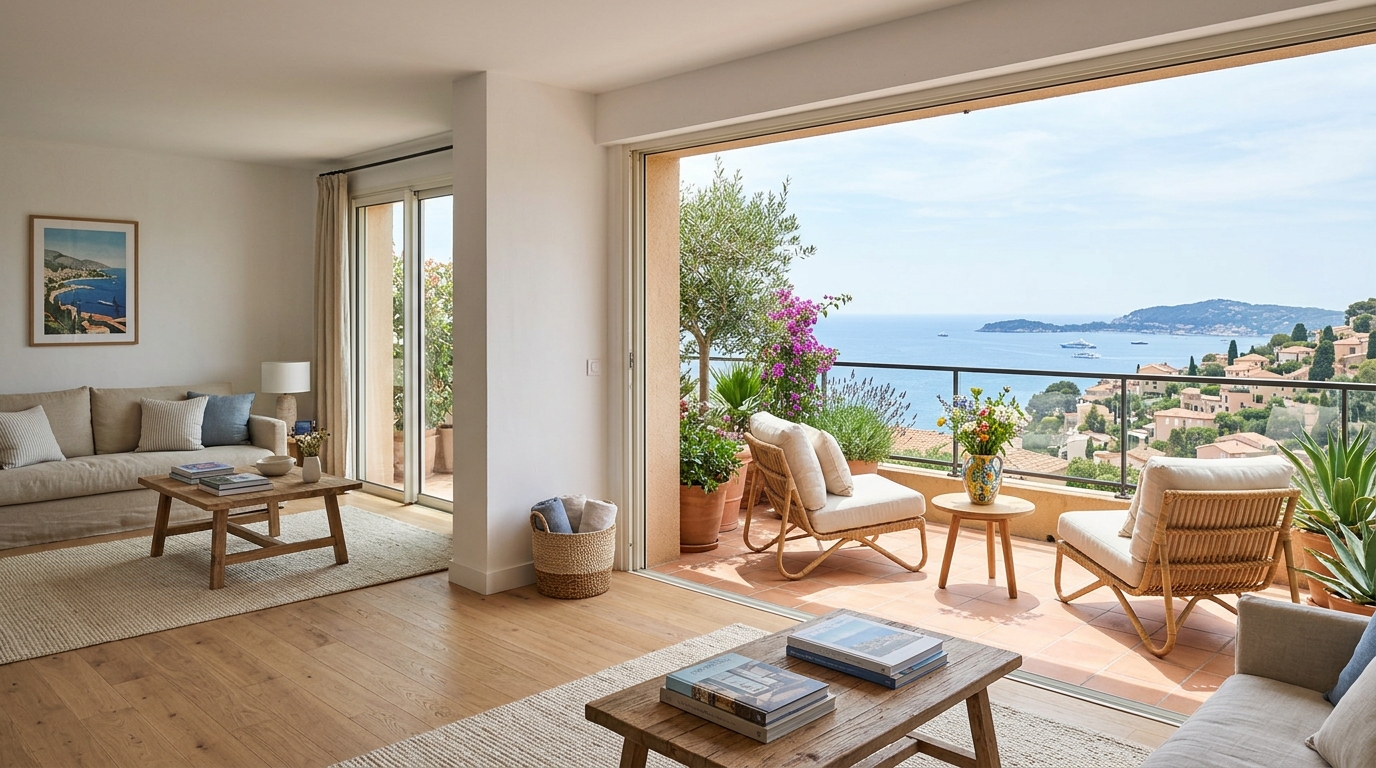
The main appeal is income potential: a well-located property in a tourist destination may earn attractive revenue during peak season. Owners may retain some flexibility to use the property when it is not booked, subject to contractual commitments. However, short-term rentals require regular management—booking inquiries, check-ins and check-outs, cleaning and maintenance. Off-season vacancies are another risk.
Rent-to-own: renting before buying
Rent-to-own, known in France as location-accession, allows someone to occupy a property while paying amounts under a specific agreement and retaining the option to purchase later. It may suit people who want to become homeowners but cannot yet fund the full purchase.
How does rent-to-own work?
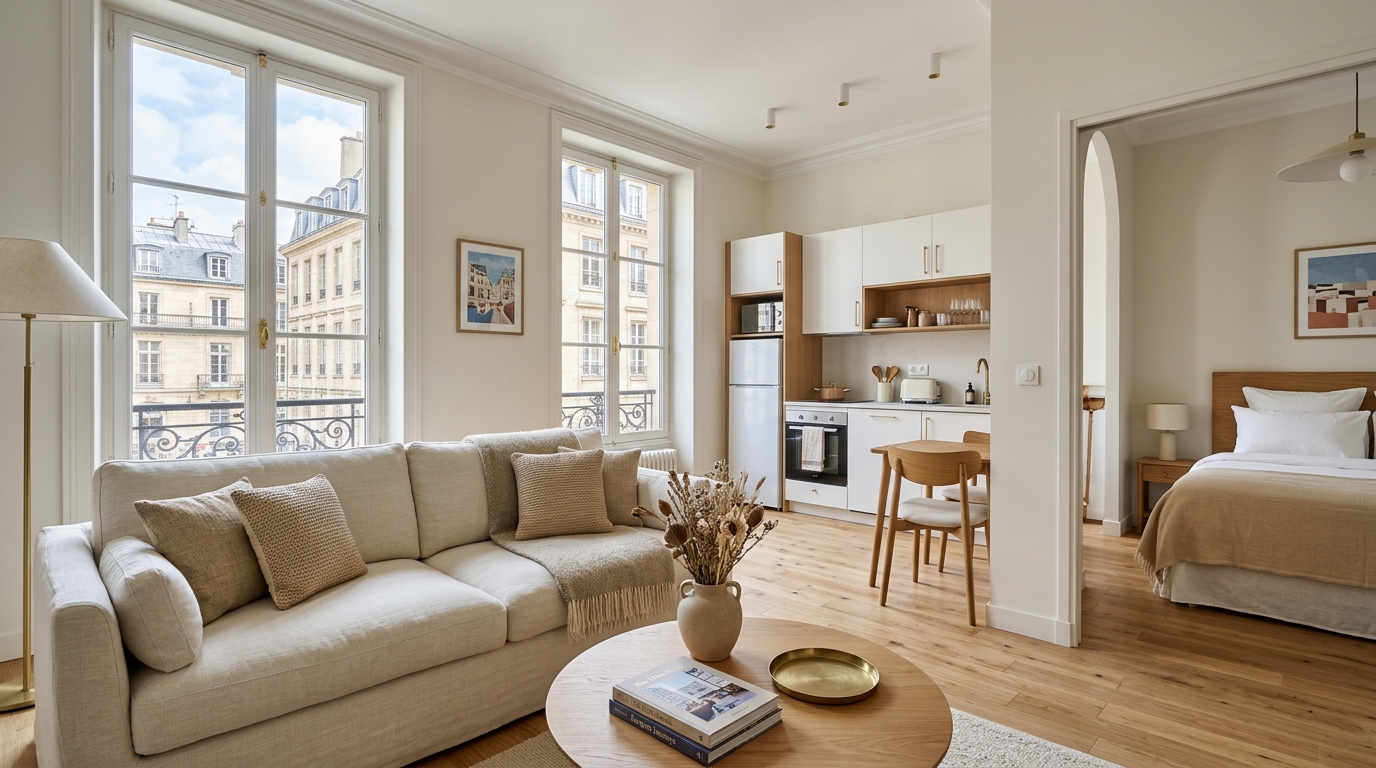
The arrangement generally has two stages: the future buyer pays an amount that may include an occupancy payment and an acquisition portion building toward the purchase; later, the tenant-buyer may exercise the purchase option. The price and payment terms are set by contract. Common features include occupancy for an agreed period, monthly payments split between occupancy and acquisition, a contractually determined purchase price, an option to buy and potentially a mortgage to pay the balance. Not every monthly payment automatically counts toward the purchase price—only the acquisition portion.
Benefits of rent-to-own
It can help households unable to buy immediately by allowing them to occupy a home without financing the full price upfront, save and prepare a mortgage application. It also lets them experience the home and neighborhood before deciding. Risks remain: if the tenant-buyer declines to purchase, financial consequences depend on the contract and law. Review refund terms, fees and option deadlines.
Conclusion
Unfurnished rentals suit people seeking stable housing. Furnished rentals offer convenience to students and people relocating. Vacation rentals serve travelers and owners of tourist accommodation. Rent-to-own may help households work toward homeownership over time.