
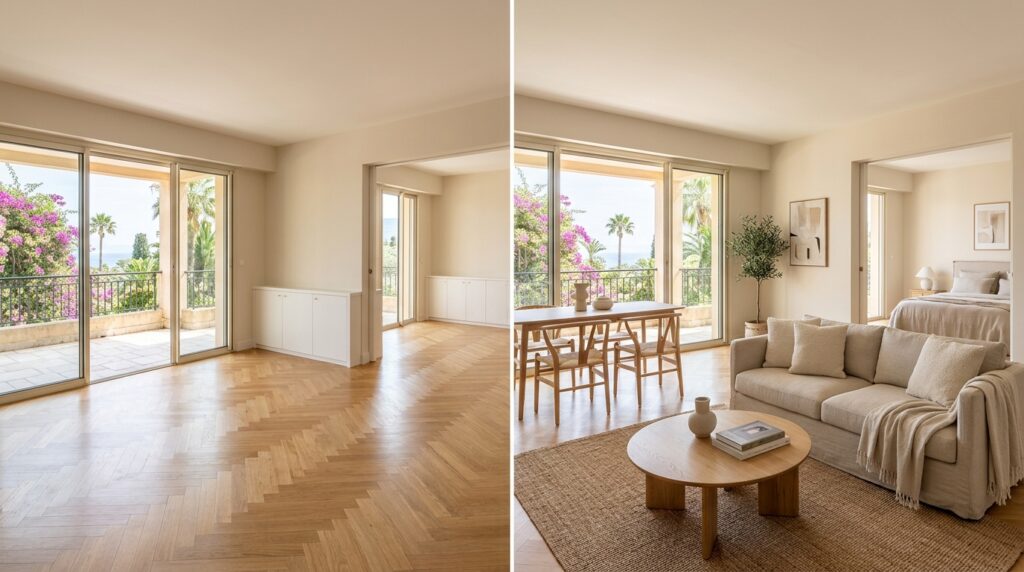
Most real estate experts agree that renting out your property is an attractive way to generate extra income and make a real estate investment pay off. However, becoming a landlord is not just a matter of finding a tenant and handing over the keys. To comply with regulations and secure your rental income, several steps are needed when putting a property up for rent.
Rental requirements, setting the rent, taxation of rental income, landlord obligations… each step deserves close attention. Fortunately, good preparation helps you avoid the most common mistakes. In this article, Vista Immobilier gives you an overview of the main requirements to meet, how to set the rent, which tax regime to choose and the obligations involved in successfully renting out your property in France.
Key Takeaways
- To rent out your property, the landlord must meet certain conditions, in particular offering decent housing, meeting energy performance criteria and providing the mandatory property diagnostics.
- The rent must match local market prices and take into account the size, location and condition of the home, as well as any rent regulations that apply.
- As for obligations, the landlord must hand over the required documents, maintain the home, carry out the repairs that fall to them and respect the tenant’s rights.
- The taxation of a rental property depends on the type of rental. Rent from an unfurnished home falls under property income (revenus fonciers), while rent from a furnished home falls under industrial and commercial profits (BIC), with tax regimes suited to each situation.
What Are the Requirements to Rent Out Your Property?
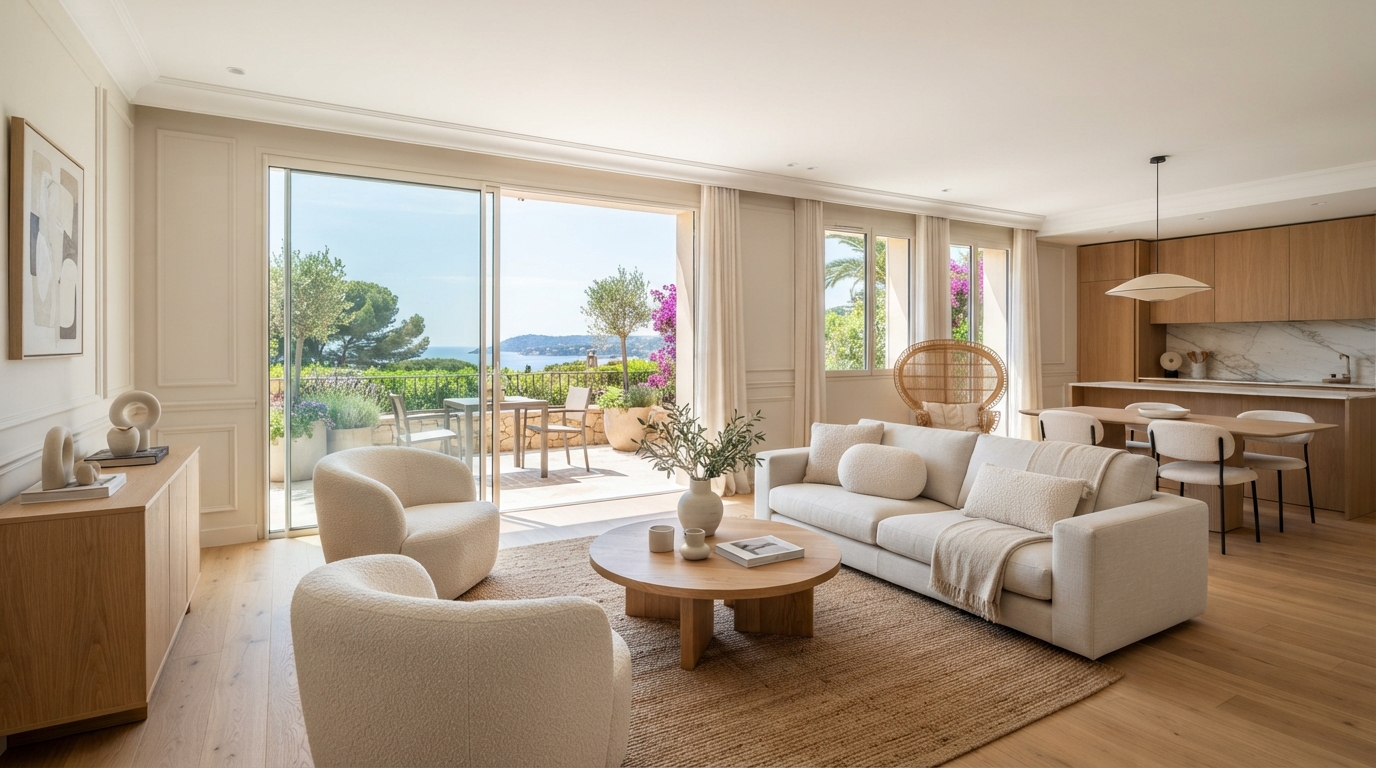
Before publishing a rental listing, make sure your property meets the decency standards required by law. This obligation applies to unfurnished and furnished rentals meant to be the tenant’s primary residence.
To rent out a property, you must be certain it meets the conditions needed to protect the safety and health of its occupants. In particular, it must have a working electrical system, adequate ventilation, suitable heating and usable sanitary facilities.
In France, regulations also set minimum size requirements for a rental. In principle, the home must have at least one main room of 9 m² (about 97 square feet) with a ceiling height of 2.20 meters (about 7 feet 3 inches), or a living volume of at least 20 m³. However, local rules can be stricter.
Energy performance is another essential criterion. Since January 1, 2025, homes rated G on the energy performance certificate (DPE) can no longer be offered for rent as a primary residence in mainland France. Homes rated F will be affected in 2028, then homes rated E in 2034.
Before renting out your property, you should therefore check that it complies with current regulations. This includes:
- the general condition of the home and its electrical installations;
- the quality of the insulation and ventilation;
- the operation of the heating and sanitary facilities;
- the home’s compliance with the decency standards;
- the validity of the energy performance certificate.
Renting out a property also requires putting together a technical diagnostics file (DDT). This file informs the future tenant about the home’s features and any potential risks. Depending on the age of the building and its installations, several diagnostics may be mandatory. Among the diagnostics required to rent out a property, you will find:
- a lead-paint diagnostic (CREP) for properties built before 1949;
- an electrical diagnostic for installations more than 15 years old;
- a gas diagnostic for installations more than 15 years old;
- a noise diagnostic depending on the property’s exposure to airport noise.
Note that the asbestos diagnostic must also be made available to the tenant where it applies. These diagnostics must be attached to the residential lease under the conditions set by law.
Note too that renting out a property that does not meet the decency standards can expose the landlord to a rent reduction, an obligation to carry out work or, in some situations, suspension of rent collection.
Renting Out Your Property: How Do You Set the Right Rent?
Setting the rent is a decisive step in making a rental investment profitable. Setting it too high risks discouraging applicants and increasing the time the property sits vacant.
To determine a consistent rent, most real estate experts recommend comparing several listings for similar properties in your neighborhood. In particular, you should consider:
- the location and appeal of the neighborhood;
- the living area and number of rooms;
- the general condition of the property;
- the presence of a balcony, terrace or garden;
- the equipment and the quality of the furniture;
- the property’s proximity to public transportation and shops;
- the property’s energy performance.
You can also consult platforms such as SeLoger, Bien’ici or Leboncoin to study the rents charged in your area. However, you must pay attention to rent regulations in high-demand areas (zones tendues, a French government page). The landlord does not have total freedom to set the amount of the rent.
In municipalities in high-demand areas, rent increases are regulated when a lease is renewed or the tenant changes. Some cities also apply rent control with specific caps.
It is therefore best to set a rent consistent with the local market when you rent out your property.
What Are the Landlord’s Obligations When Renting Out a Property?
In France, becoming a landlord brings several responsibilities toward the tenant. As a rule, the landlord’s obligations apply throughout the term of the lease.
To rent out a property, the landlord must provide decent housing, carry out the major repairs that fall to them and guarantee the tenant’s peaceful enjoyment of the premises. The landlord must also:
- hand over a home in good condition for normal use;
- maintain the equipment needed for normal occupancy;
- carry out repairs that are not part of the tenant’s routine upkeep;
- follow the rules for rent adjustments;
- provide the documents required for the rental;
- respect the tenant’s privacy;
- return the security deposit within the legal time limits, after deducting any justified amounts.
Renting Out Your Property: What Taxes Apply to Rental Income?
When you rent out your property, the tax treatment depends mainly on the type of rental you choose. Rent from an unfurnished home is not taxed the same way as rent from a furnished one.
Taxation of an Unfurnished Rental
Generally, income from an unfurnished rental is taxed in the property income category (revenus fonciers). Two tax regimes can apply in this category.
The micro-foncier regime is generally available when the household’s gross annual property income does not exceed €15,000, subject to eligibility conditions. It provides a flat 30% allowance to account for expenses.
The actual expenses regime (régime réel) lets you deduct certain expenses you actually incur, including:
- loan interest;
- rental management fees;
- insurance premiums;
- deductible maintenance and repair costs;
- certain condominium charges and taxes.
Choosing this regime can be worthwhile when expenses exceed the flat-rate allowance.
Taxation of a Furnished Rental
When income comes from a furnished rental, it falls under industrial and commercial profits (BIC). The owner may qualify as a non-professional furnished landlord (LMNP), provided they do not meet the conditions for professional status.
Under the micro-BIC regime, you benefit from a flat-rate allowance, the amount of which depends on the category of rental. Under the actual expenses regime, you can, under certain conditions, deduct expenses and depreciate the home and furniture.
But be careful: long-term furnished rentals and tourist furnished rentals do not necessarily benefit from the same tax rules. You must also file a declaration of business start-up for furnished rentals. It must be filed within fifteen days of the start of the activity in order to obtain a SIRET number (the French business registration number).
Conclusion
Renting out your property is an attractive opportunity to build wealth and earn extra income. However, it takes careful preparation. Before renting, the requirements and obligations mean checking that the home meets decency standards and completing the mandatory diagnostics. For the rent, it is important to set a price suited to the local real estate market. The tax treatment depends on your wealth-building goals and your tax situation.
FAQ
Can you rent out your property without going through a real estate agency?
Yes. A property owner can handle the rental themselves. However, they must comply with all legal obligations regarding diagnostics, the lease, the move-in inspection and the decency of the home.
What documents must you provide to the tenant?
For the rental, the owner must provide, among other things, the lease, the technical diagnostics file, the information notice and any additional documents required depending on the home’s situation.
Which is better, an unfurnished or a furnished rental?
An unfurnished rental generally suits owners who want a long-term tenant. A furnished rental can be worthwhile to meet student or professional demand, but it involves more management and different tax rules.
What taxes does a landlord have to pay?
In general, income from an unfurnished rental is taxed as property income (revenus fonciers). Income from a furnished rental falls under BIC. The owner must also factor in the property tax (taxe foncière) and, depending on the activity, a possible business property contribution (CFE).